Highbury landlord garden services for flats and rental properties
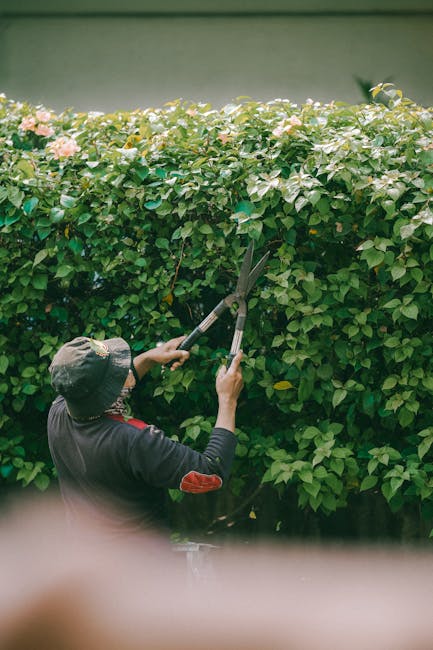
If you manage a flat block, a converted townhouse, or a small rental portfolio in Highbury, the garden is often the first thing tenants and visitors notice. And, to be fair, it can become the first thing people complain about too. Overgrown lawns, untidy borders, broken fencing, messy shared courtyards, and hedges that suddenly seem to have a life of their own can all chip away at the appeal of a property.
Highbury landlord garden services for flats and rental properties are about more than keeping things neat. They help protect letting value, reduce maintenance headaches, and create an outdoor space that feels looked after rather than forgotten. In a busy part of North London where many rental homes have compact gardens, shared access areas, or small communal plots, a well-planned service can make a genuine difference.
This guide breaks down what landlord garden services involve, how they work in practice, where the real value lies, and how to avoid the classic mistakes that cost time and money later. You will also find a practical checklist, a comparison table, and a straightforward FAQ section at the end.
Why Highbury landlord garden services for flats and rental properties Matters
A garden attached to a rental property is not just decorative. It shapes how the whole home is perceived. When a tenant arrives to a neat front strip, trimmed hedge, and clean shared path, the property immediately feels cared for. That matters whether you are attracting new tenants, keeping current ones happy, or preparing for a mid-tenancy inspection.
In Highbury, many rental properties are close together and seen by neighbours every day. A garden that slips into a neglected state does not stay private for long. It can make the building look poorly managed, even if the flats inside are in excellent condition. That mismatch is often what people remember.
There is also a practical side. Uncontrolled growth can block paths, hide litter, encourage weeds, and make the space less usable. For buildings with shared access or communal gardens, the more people use the area, the faster small issues become obvious. A little moss on a step, a hedge narrowing a walkway, or a patchy lawn after winter can quickly become a recurring issue if nobody owns the routine.
Landlords often discover that outdoor maintenance is easiest when it is treated as a planned service rather than an occasional fix. A consistent approach gives you better predictability, and less of that sinking feeling when you open the gate and think, oh no, not this again.
Practical takeaway: good garden maintenance is not a luxury for rental homes. It is part of keeping the property marketable, safe, and easier to manage over time.
If you want a broader overview of what a professional provider can cover, the services overview is a useful place to start.
How Highbury landlord garden services for flats and rental properties Works
Most landlord and rental garden services begin with a site assessment. That does not need to be dramatic. It is usually a practical look at the size of the space, what grows there, how often it needs attention, and whether the garden is private, shared, or partially communal. A small courtyard has very different needs from a shared rear garden behind a block of flats.
Once the space is assessed, the work is usually organised into a schedule. That may be weekly, fortnightly, monthly, or seasonal. In many cases, the right answer is a mix. For example, lawn mowing might be needed more often in spring and summer, while hedge trimming and clearance work may be needed less frequently but in more focused visits.
A typical landlord garden service can include:
- lawn mowing and edge tidying
- hedge trimming and shaping
- garden clearance after tenancy changes
- leaf removal and seasonal tidy-ups
- weed control in paths, beds, and borders
- pruning and light tree or shrub management
- minor landscaping improvements where needed
- basic repairs such as reclaiming access routes or clearing overgrowth from entrances
For some properties, especially those with tired or patchy outdoor areas, a service may also involve light restoration work. That can mean reworking a neglected corner, refreshing beds, or improving a worn communal strip so it looks intentional again. If the garden has become badly overgrown between tenancies, a more thorough garden clearance may be the first step before maintenance starts.
It is also worth saying that rental properties are often not maintained in the same way as owner-occupied homes. Tenants may be careful, but they usually are not managing the property for the long term. That means the landlord or managing agent needs a reliable structure around the outdoor space, otherwise standards drift. Quietly, steadily, they drift.
Key Benefits and Practical Advantages
The obvious benefit is appearance, but the real value goes deeper than that. A well-managed garden reduces friction. Fewer complaints. Fewer emergency fixes. Fewer awkward emails about "the state of the back area".
A more attractive property
First impressions are powerful, especially in lettings. A tidy outdoor space supports the overall presentation of the flats and helps the property feel worth its asking price. Even a modest courtyard can add value when it is clean, planted sensibly, and free from clutter.
Better tenant satisfaction
Tenants are more likely to care for a garden when it is already in decent condition. That sounds simple, but it is true. People are more willing to sweep, water, or keep the space tidy if they feel the landlord has invested in it too.
Reduced long-term costs
Routine maintenance is usually cheaper than emergency catch-up work. A hedge cut regularly is easier to manage than a hedge that has been left to sprawl for six months. The same goes for lawns, beds, and access paths.
Fewer disputes between landlord and tenant
Many rental disagreements start with unclear expectations. If the garden arrangement is documented and the work is carried out consistently, everyone knows where they stand. That clarity matters just as much as the gardening itself.
Safer access and tidier shared spaces
Overgrowth can narrow walkways, hide damp surfaces, and make steps or entrances less easy to use. Regular maintenance helps keep outdoor areas usable, especially in blocks with shared access. If you manage a property where safe routes and tidy boundaries matter, having a clear approach to insurance and safety is worth considering alongside the work itself.
In short: the best garden service is the one that quietly prevents problems before anyone needs to complain.
Who This Is For and When It Makes Sense
This service is not just for large landlords. It is useful for a wide range of property owners and managers across Highbury.
- Private landlords with one or two flats and a small shared outdoor area
- Letting agents managing rental properties on behalf of owners
- Freeholders responsible for a block or converted building
- Resident management companies overseeing shared gardens or courtyards
- Build-to-rent operators who need consistent outdoor presentation
- Portfolio landlords who want a regular, low-fuss maintenance plan
It makes particular sense if your property has any of the following:
- shared frontage or communal rear access
- a lawn that becomes untidy quickly in warmer months
- hedges that affect privacy or light if not trimmed
- courtyards that collect leaves and debris
- tenants who are unsure whether garden care is their responsibility
- a need for pre-tenancy refreshes between occupancies
Sometimes the trigger is less obvious. You may only notice the need after a tenancy ends and you can finally see the full extent of the overgrowth. That tends to be the moment landlords say, right, this needs sorting properly.
Step-by-Step Guidance
If you are setting up garden services for a rental property in Highbury, a simple process usually works best.
- Assess the space properly. Walk the garden, note what needs regular care, and separate routine work from one-off recovery work.
- Decide who is responsible for what. Is the tenant expected to water plants or just keep the area reasonably tidy? Is hedge trimming a landlord job? Get that clear.
- Set the service frequency. A small lawn may need attention more often in spring and summer. A courtyard may only need monthly tidying. Be realistic.
- Choose the right mix of services. For many properties, a blend of garden maintenance, lawn mowing, and hedge trimming covers most of the basics.
- Address neglected areas first. If the garden is overgrown, clear it before putting in a maintenance schedule. Otherwise, the same problems just keep coming back.
- Review the result after the first few visits. Is the schedule too frequent? Not frequent enough? Does the space need a different kind of care in summer?
- Keep records. A simple log of visits, tasks completed, and any issues spotted can be very helpful, especially where several people manage the same building.
A small practical example: a ground-floor flat with shared rear access may need monthly pruning and seasonal clearance, but weekly mowing would be unnecessary if there is only a small strip of grass. The key is matching the service to the actual use of the space, not the idea of what sounds tidy.
If you are improving the whole outdoor area rather than just maintaining it, the landscaping and landscape gardening pages can be helpful for understanding wider options.
Expert Tips for Better Results
After enough time looking after landlord gardens, a few patterns become obvious. The following tips save hassle more often than not.
- Do not wait for a garden to look bad before acting. By then, the work is slower and more expensive.
- Keep hard and soft landscaping in view together. If a path is full of weeds but the lawn is neat, the space still feels neglected.
- Use seasonal thinking. Spring growth, autumn leaf fall, and winter damp all create different maintenance demands.
- Choose low-fuss planting where possible. Rental properties usually benefit from durable shrubs and manageable borders rather than high-maintenance planting schemes.
- Trim for shape, not just size. A hedge that is simply hacked down looks rough. A hedge with a proper outline changes the feel of the property.
- Plan for access. If gardeners cannot safely reach the back area, the job becomes slower and more disruptive. Small access issues become big ones, oddly fast.
Here is a useful rule of thumb: if the garden causes stress every time you inspect the property, the maintenance plan is too vague.
And one more thing. A slightly rough patch after winter is normal. Gardens in London do not stay perfect all year, let's face it. The goal is not perfection; it is control, consistency, and a space that looks cared for.
Common Mistakes to Avoid
Most garden problems in rental properties are not caused by bad intentions. They come from delay, unclear responsibility, or a bit of wishful thinking.
- Assuming the tenant will do everything. That may be unrealistic, especially in flats where access is shared or storage is limited.
- Booking one-off fixes only. A single tidy-up can help, but without follow-up maintenance the garden often returns to the same state.
- Ignoring shared spaces. In blocks of flats, communal areas often become nobody's job unless they are clearly assigned.
- Choosing the cheapest option without checking scope. Low quotes can hide incomplete work or missing essentials.
- Forgetting seasonal changes. What works in April will not necessarily work in November.
- Overplanting compact spaces. Too many plants in a small garden can make maintenance more difficult, not easier.
A more subtle mistake is using the wrong level of service. A large formal garden will need a different pattern from a tiny rental courtyard. If the service is overdone, you waste money. If it is underdone, the space slips. The sweet spot matters.
Tools, Resources and Recommendations
You do not need a warehouse of equipment to manage a rental garden well, but the right tools and the right service mix make a difference.
For day-to-day upkeep, property managers often benefit from:
- simple maintenance notes for each property
- before-and-after photos after major visits
- a calendar of seasonal tasks
- a clear responsibility sheet for landlord, tenant, and contractor
- a plan for waste removal and green waste recycling
For the actual outdoor work, the essentials usually include mowing equipment, hand tools for pruning, hedge cutters, leaf clearing tools, and safe access gear where needed. It sounds basic, and it is. But basic done well is often what keeps rental properties looking sharp.
If your rental garden has lots of debris or a long-neglected feel, booking a proper garden clearance first can save time later. If you are weighing up the cost of different approaches, the pricing and quotes information can help set expectations in a realistic way.
For sustainability-minded landlords, it is also sensible to think about how clippings, cuttings, and waste are handled. A provider with a clear recycling and sustainability approach can reduce unnecessary waste and keep the service more responsible overall.
Law, Compliance, Standards and Best Practice
Garden care for rental homes is not usually the most legally complex part of property management, but it does touch on a few important areas. The safest approach is to stay practical, document responsibilities, and avoid assumptions.
For example, if a garden is shared, the responsibility for upkeep should be clearly set out in tenancy documents, lease arrangements, or management agreements where applicable. That clarity helps avoid arguments later. If a tenant believes the landlord should maintain the hedge and the landlord assumes otherwise, the result is usually frustration all round.
Health and safety matters too. Overgrown paths, slippery surfaces, unstable branches, and obstructed access can create avoidable risks. Good practice means checking the space regularly, addressing obvious hazards, and using suitably insured contractors. If you are reviewing how a provider works, their health and safety policy and insurance and safety approach are worth understanding.
For larger trees or anything that looks structurally unsound, this is not a "maybe later" job. It needs proper judgement. In those cases, services such as tree lopping and removal may be relevant, but only where the work is appropriate and handled carefully.
It is also sensible to think about how complaints are handled. If multiple residents share a garden, standards need to be consistent, and there should be a process if someone is unhappy. The site's complaints procedure gives a useful sense of how service concerns can be dealt with in an orderly way.
Best practice, in plain English, is simple: know what is expected, keep the garden safe and usable, choose reputable help, and record what has been done. That may sound a bit dry. It saves trouble, though.
Options, Methods and Comparison
Landlords in Highbury generally choose one of three approaches to garden care. Each has its place.
| Approach | Best for | Pros | Limitations |
|---|---|---|---|
| Tenant-managed upkeep | Very small gardens or simple patios | Low cost, minimal scheduling | Standards vary, responsibility can be unclear |
| Occasional one-off visits | Properties between tenancies or after a backlog | Fast tidy-up, useful for resets | Does not prevent future decline |
| Planned regular maintenance | Flats, shared gardens, and rental homes with ongoing use | Consistent appearance, fewer issues, easier budgeting | Requires a schedule and ongoing commitment |
For most flats and rental properties, planned regular maintenance tends to work best. One-off visits are useful, but only as part of a wider system. A garden that is looked after little and often is almost always easier to manage than one rescued every few months.
Where the space needs more than routine upkeep, a small upgrade can help. For example, adding better edging, reshaping a planting bed, or improving a worn access area may make the regular maintenance far easier. If the project goes beyond tidying, decking services may also be relevant for certain rental outdoor spaces, especially where a durable, low-maintenance surface is preferred.
Case Study or Real-World Example
Here is a realistic example, based on a common Highbury rental setup.
A landlord with a converted house had a small rear garden shared by two flats. It looked fine in winter, then suddenly by late spring it had become difficult to walk through without brushing against the hedge. The lawn was uneven, the borders were full of weeds, and the bins had started to dominate the whole space. Nothing disastrous. Just enough neglect to make the property feel tired.
The landlord first arranged a one-off clear-up. That reset the space properly: the overgrowth was reduced, the garden was cleared back to usable size, and the mess around the access route was removed. After that, a lighter maintenance plan was put in place with regular mowing, seasonal hedge work, and occasional tidying of the shared entrance.
The real improvement was not dramatic in a glossy, before-and-after brochure sense. It was quieter than that. Tenants started using the garden more. The entrance felt brighter. The landlord had fewer issues to think about. And the property simply felt looked after again, which is often what matters most.
That sort of result is common when the service is matched to the property rather than treated as a generic checklist.
Practical Checklist
Use this checklist before setting up or reviewing garden services for a rental property:
- Is the garden private, shared, or communal?
- Who is responsible for routine upkeep?
- Does the property need a one-off clearance first?
- How often does the lawn or planting actually need attention?
- Are hedges, trees, or borders affecting access or light?
- Do tenants have a clear idea of what they are expected to do?
- Are waste removal and tidy-up included in the arrangement?
- Has safety been considered around steps, paths, and access points?
- Is there a seasonal plan for spring, summer, and autumn?
- Have you asked for a clear, itemised quote before work starts?
If you can answer most of those confidently, you are already ahead of many landlords who only deal with the garden when it gets noisy, messy, or embarrassing.
Get a free quote today and see how much you can save.
Conclusion
Highbury landlord garden services for flats and rental properties are really about control: keeping outdoor spaces presentable, safe, and easy to manage without constant firefighting. Whether the issue is routine mowing, hedge trimming, seasonal clearance, or a tired communal courtyard that needs careful attention, the right plan turns a problem area into a quiet asset.
The most effective approach is usually simple. Assess the space honestly. Set clear responsibilities. Choose maintenance that fits the property, not the other way around. And keep it steady. That steadiness is what tenants notice, even if they never say it outright.
If you are ready to improve the outside of a rental property, start with a practical review and work from there. A well-kept garden does not just look better. It makes the whole property feel more solid, more welcoming, and a bit easier to live with. That counts for a lot.
Frequently Asked Questions
What do landlord garden services usually include for flats in Highbury?
They often include lawn mowing, hedge trimming, weeding, pruning, leaf clearance, garden tidy-ups, and occasional clearance work. The exact mix depends on the property size and whether the space is private or shared.
How often should a rental property garden be maintained?
It depends on growth and use. Small courtyards may only need monthly attention, while lawns and larger shared gardens often need more regular visits during the growing season.
Who is normally responsible for garden maintenance in a rental property?
That should be made clear in the tenancy or management agreement. Some gardens are tenant responsibilities, some are landlord responsibilities, and shared spaces usually need a separate arrangement.
Is a one-off garden clearance enough for a rental flat?
It can help as a reset, especially after a tenancy change, but it usually works best when followed by regular maintenance. Otherwise the garden tends to drift back into the same state.
What if the garden is shared by multiple flats?
Shared gardens need a clear maintenance plan because responsibility can get blurry. Regular service is usually the simplest way to keep standards consistent and avoid complaints.
Do landlord garden services help with tenant retention?
They can. A tidy, usable outdoor area improves the overall feel of the property and can make tenants more comfortable staying longer. No one loves a scruffy garden outside their kitchen window.
Can garden services reduce property management complaints?
Yes, especially where the garden is visible from entrances or shared areas. Regular upkeep removes one of the most common reasons people feel a property is being neglected.
What should I ask before booking a garden service?
Ask what is included, how often visits are recommended, whether waste removal is part of the service, how safety is handled, and whether the contractor has appropriate insurance.
Are landscaping improvements worth it for rental properties?
Sometimes, yes. If the garden is hard to maintain or visually weak, modest landscaping can make the space more practical and reduce future upkeep. The key is choosing improvements that suit the property.
How do I know if a garden needs clearance rather than routine maintenance?
If the space is heavily overgrown, access is blocked, or there is a lot of debris, it usually needs clearance first. Routine maintenance works best once the garden is already under control.
Can I combine garden maintenance with other outdoor improvements?
Absolutely. Many landlords pair maintenance with hedge trimming, clearance, or light landscaping so the space stays easy to manage and looks finished rather than patched together.
What is the smartest first step if I am unsure where to begin?
Start with an honest assessment of the garden and decide whether it needs a reset, regular upkeep, or both. From there, it becomes much easier to choose the right service and frequency.