Drayton Park garden care for period terrace front gardens
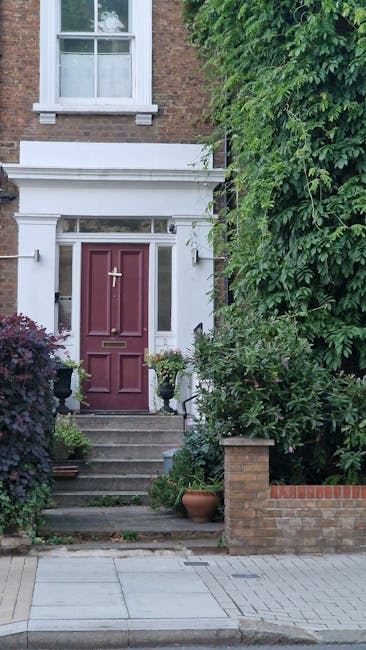
If you live near Drayton Park, you already know the front garden is doing a lot more than "looking nice". It frames a period terrace, softens the brickwork, and sets the tone before anyone even reaches the door. Done well, Drayton Park garden care for period terrace front gardens keeps that first impression elegant, calm, and in keeping with the character of the street. Done badly, even a tidy house can feel a bit neglected. Harsh, maybe, but true.
Period terrace front gardens are a special kind of challenge. They're usually small, visible, and full of awkward edges: narrow paths, mature shrubs pressed against railings, paving that has settled over time, and planting that needs restraint rather than drama. This guide walks through what good care actually looks like, how to maintain a front garden without losing its period feel, and what to avoid if you want the place to stay smart through the year.
Along the way, you'll find practical tips, a step-by-step approach, common mistakes, and a few realistic decisions to make depending on the age and layout of your terrace. Nothing flashy. Just useful, grounded advice that makes the job easier.
Why Drayton Park garden care for period terrace front gardens Matters
A period terrace front garden is part of the architecture, not just decoration. That's the main point. The planting, paving, boundary treatment, and levels all need to work with the house, not fight it. On a terrace street, one overgrown front garden can make a row feel uneven very quickly. A carefully kept one, by contrast, lifts the whole frontage.
There's also a practical side. Front gardens near pavements and front steps get walked past, brushed against, and seen at close range. A lot. So a tiny issue becomes visible fast: a hedge with a ragged line, weeds creeping through old paving joints, pots that have gone dry and dusty by August. You'll notice it every time you come home, and so will everyone else.
For period properties, care matters because the wrong sort of "tidying up" can strip away character. Over-pruning shrubs, replacing soft planting with hard features, or using bright modern materials can make a terrace feel out of balance. The goal is not perfection in the glossy-magazine sense. It's proportion, order, and restraint.
In practice, Drayton Park garden care for period terrace front gardens is about keeping a small space breathable. Light moves through it. The path stays clear. The planting looks intentional. And the house, frankly, looks loved.
Expert summary: A period terrace front garden should feel tidy, balanced, and historically sympathetic. The best maintenance supports the house rather than competing with it.
How Drayton Park garden care for period terrace front gardens Works
Good front garden care usually follows a simple pattern: assess, clear, prune, tidy, and maintain. Sounds obvious, but the details are where most of the value sits. The first step is to look at the structure of the garden. What is permanent? What is seasonal? What is simply getting in the way?
For a period terrace, that usually means checking the condition of paving, edging, railings, low walls, and steps before touching the plants. If the structure is off, the whole garden can look off, no matter how beautiful the planting is. A leaning edge or compacted soil by the path can quietly ruin the effect.
Then comes the planting. Front gardens in this style often benefit from a layered but restrained approach. Think evergreen structure, a few flowering moments, and plants that won't swallow the front windows or block sightlines. It is rarely about packing in more. Usually, it is about choosing less, but better.
Maintenance then becomes seasonal. In spring, you refresh mulch, cut back winter damage, and reset shape. In summer, you control growth and keep watering sensible. Autumn is the tidy-up period: leaf clearance, soft pruning, and checking drainage before wetter weather arrives. Winter is when structure matters most; even in the cold, the garden should still look composed.
If the job is more than a quick trim, many homeowners look at broader support such as routine garden maintenance or, where the space has become clogged and overgrown, garden clearance. For larger front garden changes, there may also be value in landscape gardening or broader landscaping support. Not every terrace needs that level of intervention, of course. Some just need a steady hand and regular attention.
Key Benefits and Practical Advantages
There are obvious benefits, and then there are the quieter ones that people only notice after the work is done. A well-kept front garden improves kerb appeal, yes, but it also makes day-to-day living easier. Coming home to a neat frontage simply feels better. You don't have to step over drooping stems or dodge a hedge that has crept across the path.
- Better first impressions: Especially important on streets of similar terraces, where the frontage carries a lot of visual weight.
- More usable space: Clear paths and sensible planting make small gardens feel bigger.
- Healthier plants: Regular pruning and sensible watering reduce stress and decline.
- Reduced maintenance later: A bit of steady upkeep is far easier than a huge rescue job in late summer.
- Protection of period character: The garden complements the terrace instead of clashing with it.
There's also a subtle neighbourly benefit. On a row of period terraces, one front garden often influences the feel of the rest. A clean, balanced frontage can quietly improve the whole street scene. To be fair, nobody is shouting about it. But people notice.
And if you ever plan to sell, rent, or simply feel proud of the property, the front garden does a lot of heavy lifting. It's the handshake before the conversation.
Who This Is For and When It Makes Sense
This sort of care makes sense for anyone living in a period terrace near Drayton Park who wants the front of their home to feel neat without losing its charm. That could mean a homeowner with a compact forecourt garden, a landlord keeping a property presentable, or someone who has inherited an old planting scheme and doesn't quite know where to start.
It's especially useful if your garden has one or more of these issues:
- shrubs that have outgrown their space
- old paving that gathers moss and weeds
- front hedging that feels too dense or uneven
- poorly planned pots or containers
- soil that dries out quickly in summer
- plants that hide the frontage instead of framing it
It also makes sense if you're short on time. Let's face it, front gardens are easy to ignore because they're "only" the front garden. Then one day the lavender is woody, the hedge is three inches too far out, and a courier has to squeeze past a bush. Happens all the time.
If you prefer a tidy, dependable rhythm rather than seasonal panic, combining front garden care with lawn mowing, hedge trimming, or broader upkeep through garden maintenance can be a sensible choice. And if there are mature trees shading the frontage or causing safety concerns, tree lopping and removal may be part of the conversation, though that should always be assessed carefully.
Step-by-Step Guidance
Here's a practical way to approach a period terrace front garden without overcomplicating it. You can do this yourself if the garden is manageable, or use it to brief a professional properly.
- Start with a walk-through. Look at the garden from the pavement, the doorway, and the main window. What do you see first? What catches the eye in a bad way?
- Clear the obvious clutter. Remove broken pots, fallen twigs, dead annuals, and anything blocking the path. This alone can transform the space.
- Check the hard landscaping. Lift nothing you're not confident about, but note cracked paving, wobbly edging, loose gravel, or drainage problems.
- Prune with restraint. Shape shrubs to fit the space, not the other way around. If the plant loses all character when cut back, you've probably gone too far.
- Tackle weeds properly. Pull them from roots where possible and clean the joints in paving and steps. A quick surface tidy is never enough for long.
- Refresh the soil surface. Top up mulch or compost where needed. It helps retain moisture and gives a calmer, more finished look.
- Rebalance the planting. Replace tired or awkward plants with varieties suited to small front gardens and partial shade if needed.
- Finish with a clean edge. Edging along paths and borders gives the whole place a sharper line. Small detail, big difference.
If you're working on a very overgrown frontage, it may help to do the job in stages. Get the structure under control first, then the plants, then the finishing touches. Rushing straight to "pretty" usually backfires. Bit of a nuisance, but there it is.
Expert Tips for Better Results
A few practical habits make period terrace front gardens much easier to maintain. These are the sorts of details that are easy to miss when you're standing there with a pair of secateurs and too much optimism.
- Respect the proportions of the house. Tall planting can work, but it should frame, not hide, sash windows or door features.
- Choose repeatable shapes. Rounded shrubs, clipped edges, and simple repetition tend to suit terrace fronts better than busy, mixed textures.
- Use one or two strong features. A pair of matching containers, a simple evergreen hedge, or a single statement plant can be enough.
- Watch the seasonal sightline. A garden can look lovely in May and awkward by September if growth is unchecked.
- Keep the path as a visual line. In small gardens, the path often does more for order than the planting does.
One small but useful trick: stand back at dusk. Really. As the light drops, messy edges show themselves more clearly than they do at midday. If the garden still looks balanced in that softer light, you're probably on the right track.
Another tip is to think in layers of maintenance. Weekly light touch, monthly shaping, seasonal reset. That rhythm is much kinder to a period terrace than a big "all at once" blitz every six months.
For households that value lower waste and more mindful upkeep, it can also be worth asking how green waste is handled and whether pruning offcuts are being recycled responsibly. The right approach to recycling and sustainability is often a quiet sign that the whole service is well run.
Common Mistakes to Avoid
Front gardens in period terraces are not hard to ruin. That sounds dramatic, but a few common mistakes can throw the whole look off very quickly.
- Over-pruning: Taking too much off shrubs at once leaves the frontage sparse and patchy.
- Using oversized plants: Big, bold planting can overwhelm the narrow scale of a terrace.
- Ignoring drainage: If water pools near steps or paths, moss and movement soon follow.
- Letting weeds settle into paving: Once they root into the joints, the job becomes much more annoying.
- Mixing too many styles: A formal terrace garden can lose its charm fast if too many modern elements are added without thought.
- Forgetting the boundary line: Hedges, fences, and railings need to sit neatly or the whole frontage can look untidy.
There's also the mistake of treating the front garden like a separate project from the house. It isn't. The brick colour, steps, railings, and planting all talk to each other. If one is shouting and the others are whispering, the result feels odd. You might not be able to name why. You just feel it.
Tools, Resources and Recommendations
For straightforward front garden care, the right tools make the work quicker and cleaner. You do not need a shed full of gadgets. In fact, too much gear just gets in the way. A few solid basics are usually enough.
| Tool or resource | Best use | Why it helps |
|---|---|---|
| Shrub shears or secateurs | Pruning small shrubs and shaping edges | Gives cleaner cuts and more control in tight spaces |
| Stiff broom | Clearing paths, steps, and paving | Quickly improves the look of the frontage |
| Weed knife or hand tool | Removing weeds from paving joints | Helps prevent regrowth and keeps lines neat |
| Compost or mulch | Refreshing borders | Improves moisture retention and appearance |
| Watering can or hose with care | Supporting young or container plants | Keeps plants healthy without overwatering |
| Professional maintenance plan | Regular upkeep | Stops small issues becoming larger jobs |
If the work is beyond a light tidy, a structured service can save a lot of time and guesswork. Many people start with a broader overview of available garden services and then decide whether they need one-off tidying, routine upkeep, or something more involved. If budget planning matters, it's sensible to review pricing and quotes early rather than after the work begins.
For a company you may be inviting onto your property, trust signals matter too. Reading about the team's background, understanding their health and safety policy, and checking insurance and safety arrangements are all sensible steps. Not glamorous, no. Still worth it.
Law, Compliance, Standards, or Best Practice
For most front garden work, the key point is simple: care should be safe, sensible, and respectful of boundaries. If a front garden borders the pavement, work should avoid obstructing the public way or leaving debris where someone could slip. That's basic best practice rather than anything mysterious.
If pruning or tree work is involved, caution matters. Mature trees, overhanging branches, and larger hedges may require more careful handling than a quick trim. In those cases, a professional with the right equipment and judgement is usually the better choice. No one wants a neat garden with an unnecessary mess or safety issue attached to it.
Best practice also means considering wildlife, nesting activity, and the seasonal behaviour of plants. A sensible gardener does not just cut and clear on autopilot. They look, check, and then decide. That extra minute counts.
For service expectations, it is also wise to work from written terms where possible. If you're commissioning regular care, knowing what is included, what happens if weather interferes, and how waste is removed can prevent confusion later. The relevant terms and conditions should be clear and readable, not buried in jargon. That's just good practice, really.
Options, Methods, or Comparison Table
Not every Drayton Park front garden needs the same level of input. Some are best handled with light seasonal care. Others need a proper reset. Here's a simple comparison to help you think it through.
| Approach | Best for | Pros | Trade-offs |
|---|---|---|---|
| Light DIY maintenance | Small, tidy gardens with modest planting | Low cost, flexible, quick to repeat | Easy to miss deeper issues and uneven growth |
| One-off tidy and reshape | Gardens that have drifted out of hand | Fast visual improvement, good reset point | Needs follow-up to stay effective |
| Regular professional maintenance | Front gardens that need year-round consistency | Reliable presentation, less stress, better continuity | Ongoing cost, but often more predictable |
| Full redesign or landscaping | Frontages with poor layout, drainage, or tired structure | Can solve underlying issues and improve usability | More planning, more disruption, higher commitment |
As a rule of thumb, if the garden is mostly healthy but untidy, maintenance is enough. If it feels cramped, awkward, or structurally tired, then a redesign may be the smarter long-term move. A good gardener won't force the bigger option if the smaller one is all you need. That's a reassuring sign, honestly.
Case Study or Real-World Example
Picture a classic terrace front garden near Drayton Park: a narrow path, one small lawn section, a hedge that has grown a little too confident, and two old shrubs near the bay window. Nothing dramatic. Just the kind of frontage that gradually slips from "pleasant" to "slightly weary".
The first pass would be simple: clear leaves, cut back the hedge to bring it within the boundary, remove weeds from the path, and reshape the shrubs so they sit lower and softer against the house. Then the next step would be to improve the border edge and refresh the soil surface with a fine mulch.
After that, you would assess whether the planting is actually doing the job it should. Maybe one shrub is too heavy and another is too thin. Maybe the lawn patch is too small to justify all the effort. In that case, you might replace the awkward bits with lower-maintenance planting or compact evergreen structure. That sort of judgement is often where the real improvement comes from.
The difference is not about extravagance. It's about clarity. The path reads properly. The door feels framed. The terrace looks cared for, but not overworked. And yes, that balance is a bit of an art.
Practical Checklist
Use this checklist before, during, or after front garden care. It keeps the work focused, especially when time is short.
- Check the garden from the street and from the front door
- Remove visible litter, dead growth, and broken containers
- Prune shrubs back into proportion
- Clear weeds from paving, steps, and borders
- Inspect drainage and standing water
- Edge borders and paths cleanly
- Refresh soil with compost or mulch where needed
- Confirm hedges do not block access or sightlines
- Check that planting suits the light level at the front of the house
- Plan the next maintenance visit before growth gets away from you
One small note: if you've been staring at the same garden for months, your eye gets used to the clutter. It happens to everyone. So take a photo and look at it later. A bit brutal, but very useful.
Get a free quote today and see how much you can save.
Conclusion
Drayton Park garden care for period terrace front gardens is really about balance. Keep the frontage neat, but don't scrub away its character. Control the growth, but don't flatten the life out of it. Respect the scale of the house, the rhythm of the street, and the fact that a small front garden can still say a great deal.
Whether you need a light tidy, recurring maintenance, or a more thoughtful reset, the best outcome is one that feels natural to the property. The kind of garden that looks easy, even though a lot of care has gone into it. That's the sweet spot.
If you're planning a refresh, start with the structure, keep the planting measured, and choose maintenance you can actually sustain. Small, regular care beats heroic catch-up jobs almost every time. And when the frontage sits just right, you feel it the moment you walk up to the door.
There's something quietly satisfying about that, isn't there?
Frequently Asked Questions
What makes period terrace front gardens different from other front gardens?
They usually have a stronger relationship with the house and street layout, so the planting, paths, and boundaries need to stay in proportion. A period terrace front garden often looks best when it feels calm, tidy, and restrained rather than packed with features.
How often should a front garden near Drayton Park be maintained?
Most front gardens benefit from light attention every week or two, with a more thorough tidy each season. If the space grows quickly or is heavily used, a regular maintenance schedule is often easier than trying to catch up after several months.
Can I keep a period feel while using low-maintenance planting?
Yes, absolutely. Choose compact evergreen structure, simple repetition, and plants that suit the light and space. Low-maintenance does not have to mean plain. It just needs better planning and less fuss.
What are the biggest mistakes in small terrace front gardens?
Over-pruning, overcrowding, and ignoring the path edges are the big ones. People also often choose plants that are too large for the scale of the house. In a small garden, one wrong plant can dominate the whole frontage.
Should front hedges be kept very neat or slightly informal?
For most period terraces, a neat but not over-clipped hedge works best. You want it to look intentional and well cared for, but not stiff or boxy unless that matches the architecture.
Is it worth investing in professional garden maintenance?
If your front garden tends to get overgrown quickly, or you simply do not have the time, yes. Regular professional care can save effort and often produces a more consistent result than occasional DIY bursts.
What should I ask before booking garden care?
Ask what is included, how waste is handled, whether pruning is light or structural, and whether the approach suits a period terrace. It's also sensible to ask about safety, insurance, and scheduling before anything starts.
Can overgrown front gardens be restored without redesigning everything?
Often, yes. Many gardens need clearance, selective pruning, and some rebalancing rather than a full redesign. If the structure is sound, a careful reset can make a dramatic difference without changing the whole layout.
How do I know if my front garden needs landscaping instead of maintenance?
If drainage is poor, levels are awkward, or the planting and hard surfaces no longer work together, landscaping may be the better option. Maintenance keeps things healthy; landscaping solves deeper layout problems.
What should a good finish look like in a period terrace front garden?
It should look clean, proportionate, and easy on the eye. The path should read clearly, the planting should frame the house rather than hide it, and the whole frontage should feel like it belongs to the terrace.
Are there any safety considerations for front garden work?
Yes. Slippery paving, unstable edging, heavy branches, and waste left near the pavement can all cause issues. Safe work habits matter, especially where the front garden is close to a public walkway or narrow entrance.
How do I keep the garden looking good between visits?
Do a quick weekly sweep, remove new weeds before they settle, and keep an eye on growth around windows, paths, and railings. A few minutes here and there makes a bigger difference than a huge job every few months.
If you want a frontage that suits the character of the house and stays manageable through the seasons, start with the basics and build from there. Quiet, steady care wins more often than people think.